
Boundary Line Survey Issues That Delay Backyard Additions
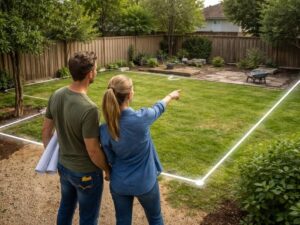
Most backyard additions don’t fail because of bad contractors or budget problems. They stall because of a boundary line survey issue nobody caught before the permit was submitted.
The site plan doesn’t match the recorded plat. An old easement cuts through the planned structure. A prior improvement sits in the wrong setback zone. The building department flags it. The application goes on hold.
By then, the contractor is scheduled. Materials are ordered. And the developer is stuck waiting on a problem that a survey would have found weeks earlier.
Why Permit Applications Often Trigger a Closer Review of Property Records
When a permit application is submitted, staff pull the recorded plat, the legal description, setback requirements, and prior permit history. Then they compare all of it against the submitted site plan.
On older Hialeah properties, this comparison rarely goes smoothly.
A recorded plat from the 1960s may show lot dimensions that don’t match what the county has on file today. A prior owner may have pulled a permit for a patio cover and never closed it. The legal description may reference an easement that affects where the new structure can sit.
None of this showed up during the property purchase. It shows up now.
A boundary line survey prepared before the permit application gives the developer a clear picture of what the recorded documents say. When the site plan is drawn from accurate survey data, it matches what the building department sees. The review goes faster. The application doesn’t get sent back.
What Counts as an Encroachment and Why It Holds Up a Permit
Encroachments on older properties are common. They build up over years of informal improvements. Nobody checked. Nobody documented. Now the permit reviewer is checking.
Common examples that surface during review:
- A wood deck built into a required rear-yard setback
- A shed placed partially inside a utility easement
- A concrete pad that extends onto a neighboring parcel
- A patio cover built too close to the rear property line
Each of these creates a conflict when a developer submits plans for a new backyard addition. The reviewer checks the site plan against required setbacks and recorded easement locations. If something is in the wrong place, the application gets held.
Fixing an encroachment after the permit is submitted takes time. It may require a variance, a recorded agreement with a neighbor, or removal of the structure. Variance applications in Miami-Dade County can take weeks or months.
Getting a boundary line survey done before the application turns these into known problems with planned solutions. They stop being surprises.
Easements That Don’t Show Up at Closing But Surface During Permit Review
Some easements don’t show up in a basic title search. They were recorded decades ago in deed books that predate digital county records. A standard property review at closing won’t find them.
On older Hialeah properties, buried easements show up in ways that affect backyard construction:
- A utility easement along the rear of the lot that limits how close a structure can sit to the back boundary
- A drainage easement near a swale or canal that restricts grading and paving
- A shared maintenance access corridor along the side of the property
If a planned addition sits inside one of these easements, the permit gets held. The utility company or the county may require the structure to be redesigned or moved. That redesign costs money and time.
A boundary line survey plots recorded easements on the drawing. The developer can see exactly where each one sits before the site plan is drawn. If a conflict exists, the design team can work around it before submitting. That’s the difference between one round of permit review and three rounds of revisions.
When the Official Record and the Real Property Don’t Match
Older properties carry decades of changes. Prior owners added structures. Tenants modified yards. Drainage was rerouted. Pavement was extended. Almost none of it was documented in the official record.
By the time a developer submits plans for a backyard addition, the recorded site documents may be completely out of date.
The building department reviews the permit application against the official record. If the site plan shows improvements that don’t match the record, or if existing structures appear to violate current setbacks, the reviewer asks questions. Sometimes they require a full existing conditions survey before the review can continue.
That requirement adds weeks to the timeline.
A current boundary line survey documents what exists on the property today. It shows every structure, every paved surface, every drainage feature. When a developer submits a site plan built from accurate survey data, the reviewer doesn’t have to ask questions. The application moves forward.
Skipping the survey to save time at the start adds more time at the end.
Why Fixing Survey Problems Before the Crew Arrives Costs Less Every Time
Contractors charge for showing up. Materials get ordered. Equipment gets delivered. Once a crew is on-site, stopping the work costs money whether the work is moving or not.
A stop-work order issued because the permit wasn’t fully resolved before construction started is expensive. The developer has to resolve the survey issue, revise the design if needed, and wait for the city to review updated plans. All of this happens while costs keep running.
Catching the same issue before the permit is submitted costs far less.
The sequence that avoids delays for Hialeah backyard additions:
- Order a current boundary line survey before drawing any plans
- Compare survey data against the recorded plat, zoning file, and prior permit history
- Find any gaps between what exists on the property and what official records show
- Resolve conflicts before submitting the permit application
A well-prepared permit application built from accurate survey data moves through review faster. It also gives contractors a site plan that matches what’s on the ground, which prevents field conflicts after work begins.
The cost of a boundary line survey before design is a small fraction of what a stop-work order costs after construction starts.
Frequently Asked Questions
Does a backyard addition always require a boundary line survey?
Not every permit type requires one. But any addition that involves new structures, drainage changes, or work near property lines typically needs a current site plan drawn from survey data. Contact the City of Hialeah Building and Zoning Department before you submit. Calling ahead saves time.
What setback rules apply to backyard additions?
Setback rules depend on the zoning of the parcel and the type of structure being added. Rear-yard and side-yard setbacks differ by zone. A boundary line survey shows where the property lines sit so the site plan can meet current setback rules. Verify the specific requirements with the City of Hialeah before finalizing any designs.
Can a prior owner’s unpermitted structure delay my permit application?
Yes. If the building department finds a structure that isn’t in the permit record, they may ask for documentation or require the structure to be permitted or removed before the new application moves forward. A current boundary line survey documents all existing improvements so you know what has permitted history before you apply.
What happens if an easement runs through where I planned to build?
The planned structure needs to be redesigned or moved outside the easement corridor. If the conflict is found during permit review, the redesign happens after the application is already submitted. That adds time. If it’s found during the survey phase before the application is filed, the design team can fix it before any plans are submitted.
How long does a boundary line survey take?
A straightforward residential lot typically takes one to two weeks from fieldwork to final document. More complex parcels may take longer. Order the survey at the start of the design process rather than at the end. That way it doesn’t become a bottleneck when you’re ready to submit.
For a free land surveying quote, call us at (305) 912-7795 or send us a message by going here.