
Land Survey Cost for Properties With Several Improvements
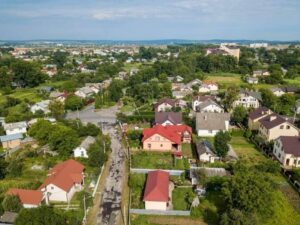
An empty lot and a built-out lot of the same size can get very different survey quotes. The built-out lot might have a house, a garage, a pool, a shed, fences, a driveway, and a patio. Each of those has to be found, measured, and drawn, and that work shows up in the price.
Knowing what drives land survey cost on an improved property helps you budget and compare quotes fairly. It also helps you order the right survey the first time. This guide covers the main cost factors and how to plan for them during due diligence.
What Makes Surveying Improved Properties More Complex?
Improvements add work in the field and in the office. An improvement is anything built or placed on the land, such as a building, pool, fence, or paved area. Each one has to be located and shown in relation to the property lines.
The surveyor measures the corners and edges of each improvement, then checks their distances to the lines. Those distances show whether anything sits too close to a line or crosses it. Items that cross a line are called encroachments, and they take extra care to document.
More improvements also mean more drafting. The final drawing has to be clear, labeled, and easy to read, even on a crowded lot. A property with ten structures simply takes longer to draw than one with a single house.
Which Property Improvements Affect Surveying Costs?
Some improvements add more work than others. Items near the property lines usually matter most, since their exact position affects setbacks and possible encroachments. Common improvements that affect the price include:
- Additions, garages, and accessory buildings
- Pools, pool decks, and screen enclosures
- Fences and walls, especially along the lines
- Driveways, patios, and walkways
- Sheds, carports, and covered structures
- AC pads, generators, and other equipment
Older improvements can add time too. A fence built decades ago may not follow the true line, and an old addition may sit closer to a line than current rules allow. The surveyor has to measure and show these conditions clearly, even when they raise questions.
Undocumented work can also come into play. If the survey shows a structure that doesn’t appear on past records, it may raise questions during a sale or permit review. The surveyor’s job is to show what’s there, while the legal or permit follow-up belongs to others.
How Survey Type Influences the Final Survey Cost
The type of survey you order has a big effect on price. A basic boundary survey shows the property lines and corners. A more detailed survey adds improvements, elevations, easements, or other items, and each addition takes more time.
Many home sales use a survey that shows the boundary plus the main improvements. On a built-out lot, that means more field shots and a busier drawing. It’s a common choice for residential closings, and its cost rises with the number of structures.
A topographic survey adds ground heights and surface features, which is often needed for design or drainage work. An ALTA survey follows national standards and is common on commercial deals, with a detailed review of title documents and optional items the lender or buyer requests. On a property with many improvements, both usually cost more than a basic boundary survey.
Why Site Conditions and Accessibility Matter
Site conditions can slow the crew down and raise the price. Dense landscaping, tall hedges, and overgrown fence lines can block sight lines. Locked gates, pets, and tenant schedules can make parts of the property hard to reach.
Crowded lots bring their own challenges. Buildings close to the lines can block direct measurements, so the crew may need extra setups to reach each corner. Missing or buried corner markers add search time as well.
Help the crew where you can. Unlock gates, secure pets, and let tenants know the survey date ahead of time. Tell the surveyor about access limits when you request the quote so the estimate reflects real conditions.
Planning Survey Costs for Property Due Diligence
Build the survey into your due diligence budget early. Due diligence is the research a buyer does before closing to confirm what they’re getting. The survey is one of the few items that shows the property’s physical features in relation to its legal boundaries.
Ask your lender, title company, and attorney what survey they need before you order. Requirements can vary by lender, title company, and property type. Ordering the wrong survey can mean paying for a second one.
When you request quotes, share the address, legal description, any past survey, and a list of known improvements. Ask each surveyor to spell out what’s included and what costs extra. Comparing quotes by scope, rather than price alone, helps you avoid surprises.
Timing matters as much as budget. Improved properties can take longer to survey, especially during busy seasons. If a closing or inspection deadline depends on the survey, order it right after the contract is signed.
Every building, pool, fence, and slab on a property gives the surveyor something to find, measure, and draw. That’s why improved properties usually cost more to survey than vacant land. If you’re buying or refinancing a property with several improvements, a local licensed surveyor can review your needs and give you a clear, itemized quote.
Frequently Asked Questions
Why does a survey cost more on a property with several improvements?
Each building, pool, fence, and paved area has to be located, measured, and drawn in relation to the property lines. More improvements mean more time in the field and more drafting in the office. Items near the lines take extra care, since they may affect setbacks or show encroachments. That added work is reflected in the quote.
Can I get a cheaper survey that only shows the property lines?
A basic boundary survey that shows lines and corners usually costs less than one that also shows improvements. It may not meet the needs of your lender, title company, or permit office, though. Ordering the wrong survey can mean paying for a second one later. Confirm what’s required before you choose the lower-cost option.
Will the survey show if my fence or shed crosses the property line?
A survey that includes improvements shows where they sit in relation to the lines. If a fence, shed, or other structure crosses a line, the drawing will show it. The surveyor documents what’s there but doesn’t decide how to resolve it. An attorney or title company can help with next steps if an encroachment appears.
Can I reuse an old survey to save money?
Sometimes, if it’s recent and the property hasn’t changed. New structures, fences, pools, or additions can make an older survey out of date. Some lenders and title companies accept an older survey with certain conditions, while others require a new one. A surveyor can review the old drawing and tell you whether an update is enough.
How can I get an accurate survey quote?
Share the address, legal description, any past survey, and a list of known improvements when you ask for quotes. Mention access limits, such as locked gates, pets, or tenants. Ask each surveyor to list what’s included and what costs extra. Comparing quotes by scope helps you avoid surprises later.
For a free land surveying quote, call us at (305) 912-7795 or send us a message by going here.
Posted in land surveying, land surveyor | Tagged cost of land surveying, land surveying cost