
Surveyor Review Before Legalizing an Existing Home Addition
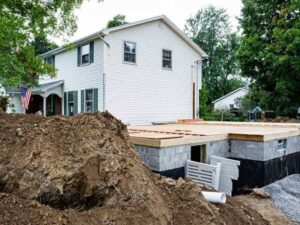
You added a room, a porch, or a garage without a permit. Now you want to make it official. Legalizing an existing addition means confirming exactly where the new structure sits on the property. This is especially important when old property lines come from outdated surveys or no longer match the boundary evidence found today.
A surveyor review gives you that proof. It shows where the addition sits compared to your lines, setbacks, and easements. That helps you spot problems before the permit office does. This guide explains what the review covers and why it matters.
Verifying Property Boundaries Around the Home Addition
The review starts with your true property lines. A surveyor retraces the boundary using your deed and the recorded plat. They find or reset the corner markers in the field. That confirms exactly where your land ends.
This step is the base for everything else. You can’t check setbacks without a real line to measure from. Fences and hedges often sit off the true boundary, so they aren’t proof. A verified line tells you where your addition really stands.
Measuring the Existing Addition and Nearby Improvements
Next, the surveyor measures the addition itself. They record its size, shape, and exact spot on the lot. They also locate nearby features like the main house, driveway, and fences. That builds a clear map of the current site.
These measurements show how the addition relates to the property lines. The surveyor notes how close each edge sits to a boundary. Other improvements get checked the same way. A full picture helps the permit office review the work fairly.
Checking Setbacks, Easements, and Property Constraints
A setback is the required distance between a structure and your property line. Local rules set a minimum for the front, sides, and rear. The review checks whether your addition meets those distances. If it sits too close, you’ll want to know before you apply.
Easements matter too. An easement is a strip where someone else has a right to use part of your land. Building over one can cause real problems later. Setback and easement rules can vary by property type, municipality, and county, so confirm what applies to your lot.
Comparing Current Conditions With Existing Property Records
The surveyor then compares the site to your existing records. Old surveys, plats, and permits show what the property looked like before. The review flags what changed once the addition went up. That gap is the heart of the legalization process.
This comparison catches issues early. Maybe the addition crosses a setback line. Maybe it sits partly in an easement. Finding these now gives you time to plan a fix or seek relief, instead of learning about it mid-review.
Using Survey Information for Permit and Approval Review
The finished survey supports your permit application. Permit offices often want a current drawing that shows the addition on the lot. The survey gives them accurate lines, measurements, and setbacks. That helps the reviewer judge the work with facts.
The survey documents conditions, and it does not approve the addition by itself. The permit office makes that call. If the addition breaks a setback, you may need a variance or a change. Confirm what your local office requires early, since timing depends on it.
Frequently Asked Questions
What is a surveyor review for a home addition?
It’s a check of your property lines and the existing addition against the rules. A surveyor measures the addition and compares it to boundaries, setbacks, and easements. The review also compares the current site to older records. It gives you the facts you need before applying for a permit.
Why do I need a survey to legalize an addition?
The permit office needs to know exactly where the addition sits on your lot. A surveyor review shows the boundaries, setbacks, and any easements involved. It reveals whether the addition follows local rules. That gives your application an honest, accurate base.
What if my addition is too close to the property line?
If it breaks a setback, you may need a variance or a design change. A variance is official permission to build closer than the rule allows. The survey shows exactly how far off the addition is. Your local office can explain the options for your situation.
Can a surveyor review speed up the permit process?
It can help by giving reviewers clear, accurate information upfront. Missing or wrong measurements often cause delays and requests for more data. A solid survey answers many of those questions early. That can keep your application moving instead of stalling.
When should I get the review done?
Do it before you file the permit application. The results may reveal a setback or easement issue you need to address first. Early data gives you time to plan a fix. That keeps your timing on track for approval.
For a free land surveying quote, call us at (305) 912-7795 or send us a message by going here.
Posted in land surveying | Tagged Land Surveying,