
What an ALTA Survey Finds That Basic Surveys Miss
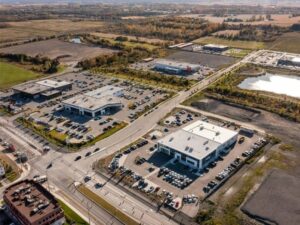 A building may already have tenants, parking, and utility service in place. The property may even seem ready for renovation or redevelopment right away. However, many buyers discover problems after closing.
A driveway may cross another property. Parking spaces may sit outside the legal boundary. Utility lines may block future construction plans. In some cases, title records may not match what actually exists on the site.
That is why many investors, lenders, and developers request an ALTA survey before finalizing a commercial real estate deal. While a basic survey may show property lines, an ALTA survey gives a much deeper look at the land and everything connected to it. For older commercial areas, that extra detail can help buyers avoid expensive surprises later.
Why Commercial Buyers Often Need an ALTA Survey
An ALTA survey gives commercial buyers a detailed view of property boundaries, easements, access areas, encroachments, and title-related issues. Unlike a basic survey, it helps lenders, investors, and developers identify legal and physical problems that could delay redevelopment, financing, or closing on a commercial property.
A basic survey usually focuses on property lines and dimensions. That helps confirm where the lot begins and ends. For some residential properties, that may be enough. Commercial properties, however, often involve much more.
Many commercial sites contain shared access areas, parking agreements, drainage systems, utility easements, or older improvements added years ago. Because of that, buyers usually need more information before investing large amounts of money into the property.
An ALTA land title survey follows standards created by the American Land Title Association and the National Society of Professional Surveyors. Commercial lenders and title companies often require this type of survey before financing or insuring a property transaction.
As a result, buyers gain a clearer understanding of both the legal and physical conditions tied to the site.
Easements That Could Limit Future Development
An ALTA survey can reveal utility easements, drainage easements, and shared access areas that may restrict future construction plans. These issues often affect older commercial properties and can create expensive redesigns if buyers discover them after closing.
One of the biggest things an ALTA survey may uncover is an easement. An easement gives another party the legal right to use part of the property for a specific purpose. This may involve utilities, drainage systems, shared driveways, or access roads.
At first, the easement may not seem like a problem. However, it can quickly affect redevelopment plans.
For example, a buyer may plan to expand a warehouse or add more parking spaces. Then the survey reveals a utility easement running directly through the planned construction area. Suddenly, the project requires redesign work before construction can begin.
Older commercial corridors often contain shared access arrangements and layered utility systems developed many years ago. Some records may even conflict with current site conditions. An ALTA survey helps identify those problems early, which gives buyers time to make informed decisions before closing.
Encroachments That May Affect Property Use
An ALTA survey helps identify encroachments such as parking spaces, fences, sidewalks, or structures crossing property lines. These problems may lead to legal disputes, financing issues, or redevelopment delays for commercial property owners.
Commercial properties often contain improvements that extend beyond legal boundaries. These are called encroachments.
An ALTA survey may identify commercial property issues such as:
- Parking areas crossing property lines
- Shared driveways without clear legal access
- Sidewalk encroachments
- Utility easements blocking future construction
- Signs or structures extending beyond boundaries
- Storage areas built outside the legal lot
A basic survey may not fully document every issue tied to those improvements. An ALTA survey, however, usually provides a more detailed review of how structures relate to property lines and title documents.
This matters because encroachments can create serious problems later.
Imagine buying a small retail center only to discover that part of the parking lot crosses into neighboring property. That issue can affect tenant use, insurance coverage, financing approvals, and future redevelopment plans.
Finding the problem before closing gives buyers more options to negotiate solutions early.
Parking and Site Access Problems That Delay Redevelopment
Commercial redevelopment projects often face delays because of limited parking, shared entrances, or poor truck access. An ALTA survey helps buyers understand how the property functions before investing in renovations or expansions.
Parking matters in commercial real estate. Site access matters too.
Many older commercial properties were built decades ago. Since then, traffic patterns, zoning rules, and business needs have changed. Because of that, some sites now face access and layout problems that buyers may not notice during a simple walkthrough.
Common issues include:
- Shared entrances
- Tight delivery truck access
- Limited parking layouts
- Noncompliant traffic flow
- Access routes crossing neighboring property
An ALTA survey helps show how the property functions today, not just how it appears on paper.
That information becomes especially important during redevelopment. A buyer may plan to renovate a shopping center or convert an older building into a new business use. Then the survey reveals that delivery trucks cannot safely enter the site without crossing neighboring property.
Without an ALTA survey, those problems may stay hidden until permit review begins.
How an ALTA Survey Helps Reveal Title Problems
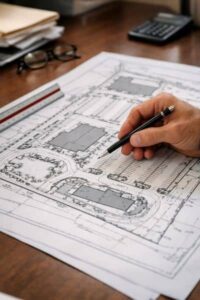 An ALTA survey works with title research to uncover access conflicts, unrecorded site use, and boundary inconsistencies. This process helps commercial buyers avoid hidden legal or ownership issues before closing.
Sometimes title documents mention easements, access rights, or restrictions that buyers do not fully understand at first. Then the survey connects those records to actual conditions on the land.
This process may uncover:
- Access conflicts
- Unrecorded site use
- Boundary inconsistencies
- Shared use areas
- Older agreements tied to the property
Unlike a basic boundary survey, an ALTA survey combines title research with detailed field observations to help identify legal and physical issues tied to commercial property use.
That extra layer of review helps commercial buyers make smarter decisions before finalizing a purchase.
Why Older Commercial Properties Carry More Risk
Hialeah contains many older industrial and commercial properties. While these sites may offer strong business value, they can also contain hidden survey issues.
Over time, owners may add parking areas, fences, utility lines, storage spaces, or building additions. Some improvements get properly documented. Others do not.
That creates confusion later.
For example, property records may show one layout while the site itself shows something completely different. Utility relocations and informal access arrangements can also complicate redevelopment plans.
Miami-Dade County continues to experience heavy commercial redevelopment activity, which makes property due diligence even more important before site expansion or renovation projects begin.
An ALTA survey helps organize that information into a clearer picture of the property.
Drainage and Flood Conditions Commercial Buyers Should Understand
An ALTA survey may identify drainage easements, canals, retention areas, and stormwater infrastructure that affect future development. These features can influence site planning, insurance costs, and construction options on South Florida commercial properties.
South Florida properties often deal with drainage and flood-related challenges. Commercial buyers need to understand those conditions before redevelopment begins.
An ALTA survey may identify:
- Drainage easements
- Retention areas
- Canals
- Access paths for stormwater systems
- Elevation-related site features
These details can affect site planning, insurance costs, and future construction options.
For example, a developer may plan to expand pavement or build an addition. Then the survey reveals drainage infrastructure limiting where construction can happen. Knowing that early helps avoid expensive redesigns later.
Why an ALTA Survey Helps Protect Commercial Buyers
Commercial real estate deals involve large investments. Problems discovered after closing can lead to delays, redesign costs, legal disputes, or financing issues.
An ALTA survey helps buyers reduce those risks before money gets committed to redevelopment or improvements. More importantly, it gives lenders, title companies, and property owners a clearer understanding of the site.
That is especially valuable in busy commercial areas like Hialeah, where older properties often contain complex layouts and long histories of site changes.
Before purchasing, refinancing, or redeveloping commercial property, buyers should understand exactly what exists on the land. An ALTA survey helps uncover details that a basic survey may miss, which can save time, money, and stress later in the project.
For a free land surveying quote, call us at (305) 912-7795 or send us a message by going here.
Posted in land surveying, land surveyor | Tagged